

How Reliable Smart PCBA Manufacturer In China Empowers Smart EV Body Control Modules Manufacturing
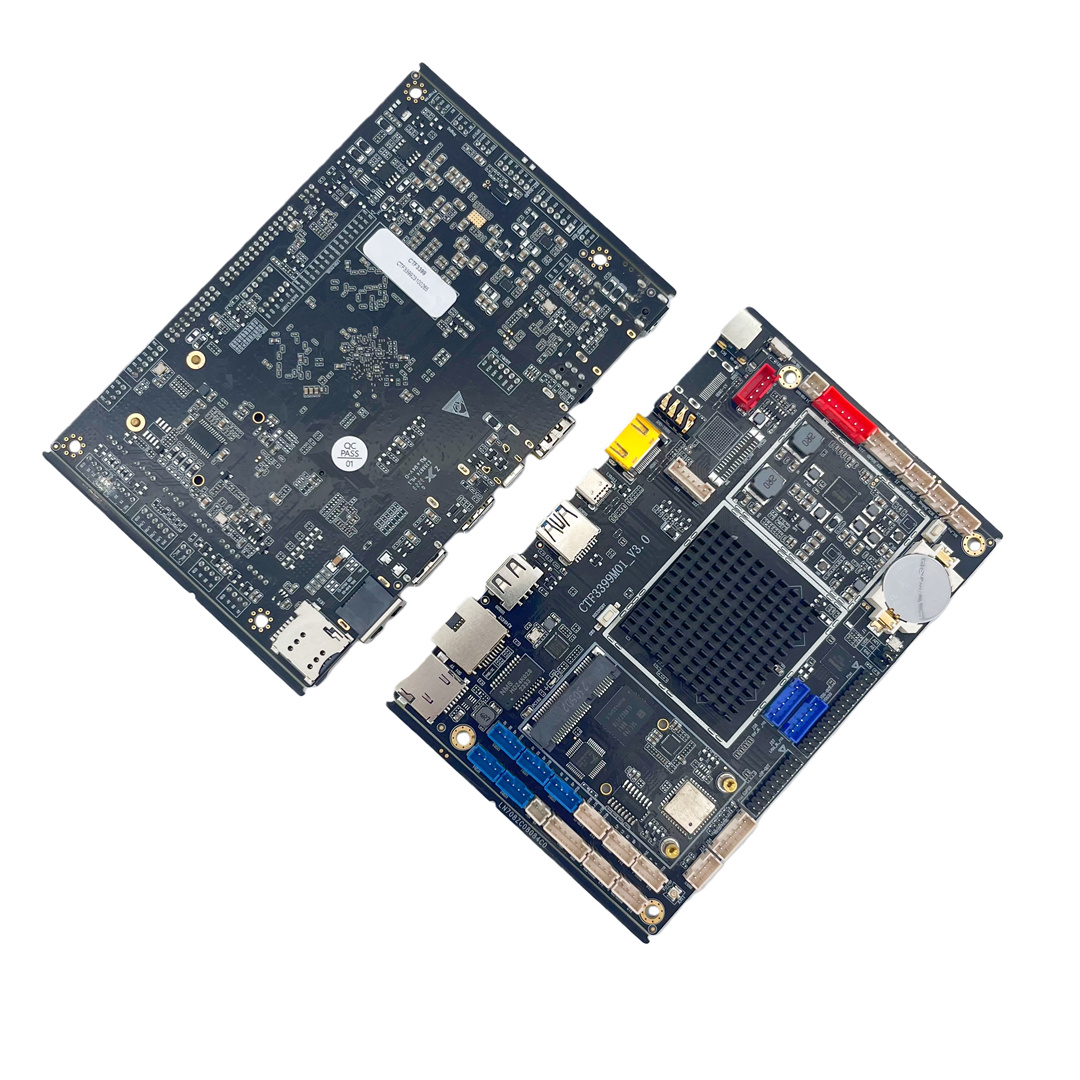
The IATF 16949 Quality Bastion: Mitigating Lifecycle Risks in Automotive Supply Chains
Consumer electronics typically focus on rapid development cycles and cost reduction. In contrast, automotive components demand unwavering reliability over extended operational life cycles. A typical electric vehicle faces harsh environmental conditions during its lifespan, such as severe thermal shock, continuous road vibrations, and high humidity. For this reason, conventional electronics manufacturing methods cannot satisfy the rigid safety criteria of the automotive sector. Electronics suppliers must adhere strictly to the IATF 16949 quality management standard to ensure absolute manufacturing safety. This global standard enforces rigorous quality control across every phase of the manufacturing process.
Effective component traceability represents another foundational element of this quality standard. Counterfeit components or minor material variations can introduce catastrophic vulnerabilities into vehicle control electronics. To prevent these risks, advanced manufacturing facilities utilize integrated manufacturing execution systems. These systems laser-mark a unique barcode onto the edge of each printed circuit board during the initial production step. This barcode links the board to a digital database that tracks every single active and passive component back to its original wafer fabrication batch. Furthermore, experienced procurement professionals manage Bill of Materials life cycles carefully to identify component end-of-life risks well in advance. For example, Aozite OST PCBA utilizes a well-established component supply network to protect manufacturing lines from unexpected market shortages. This careful planning ensures that custom vehicle platforms receive a continuous supply of authentic materials over a ten-to-fifteen-year production lifecycle.
Defeating the Thermal and Electromechanical Paradox in Multi-Channel Power Distribution
Next-generation body control modules integrate high-current power distribution paths directly alongside highly sensitive low-power microprocessors. These modules must continuously distribute substantial electrical current to power windows, motorized seats, and complex heating systems. As a result, dense configurations of components generate significant localized thermal energy across the substrate. This uneven heat generation creates physical stress, which often causes circuit board warping or solder joint delamination. Engineering teams frequently struggle with this paradox when squeezing power electronics and high-speed processing chips into compact spaces.
To resolve these critical thermal issues, engineering teams implement detailed Design for Manufacturability reviews before the manufacturing phase begins. Engineers carefully evaluate circuit layouts, optimize copper weight configurations, and integrate thick copper layers to handle high currents. They also design strategic arrays of thermal vias to move heat away from sensitive silicon components efficiently. For international businesses developing these advanced power boards, utilizing specialized automotive electronics turnkey solutions ensures that thermal defects disappear during the initial engineering evaluation. Additionally, advanced assembly facilities deploy state-of-the-art multi-zone reflow ovens to manage the heating profiles of different components. This advanced temperature management allows the machine to weld heavy transistors and tiny surface-mount devices perfectly without creating thermal stress on the board.
Securing Signal Integrity for Next-Gen High-Speed Vehicular Bus Communication (CAN-FD and LIN)
Smart electric vehicles require real-time data transmission between various distributed electronic systems. Modern body control modules rely heavily on advanced communication protocols, including Controller Area Network Flexible Data-Rate and Local Interconnect Network. These communication lines transmit millions of data packets every second to ensure vehicle safety and passenger comfort. However, compact double-sided board layouts often create severe signal crosstalk and electromagnetic interference challenges. High-frequency data lines are highly sensitive to microscopic changes in impedance and parasitic capacitance. Therefore, manufacturing partners must guarantee perfect electrical parameters to avoid data corruption during vehicle operation.
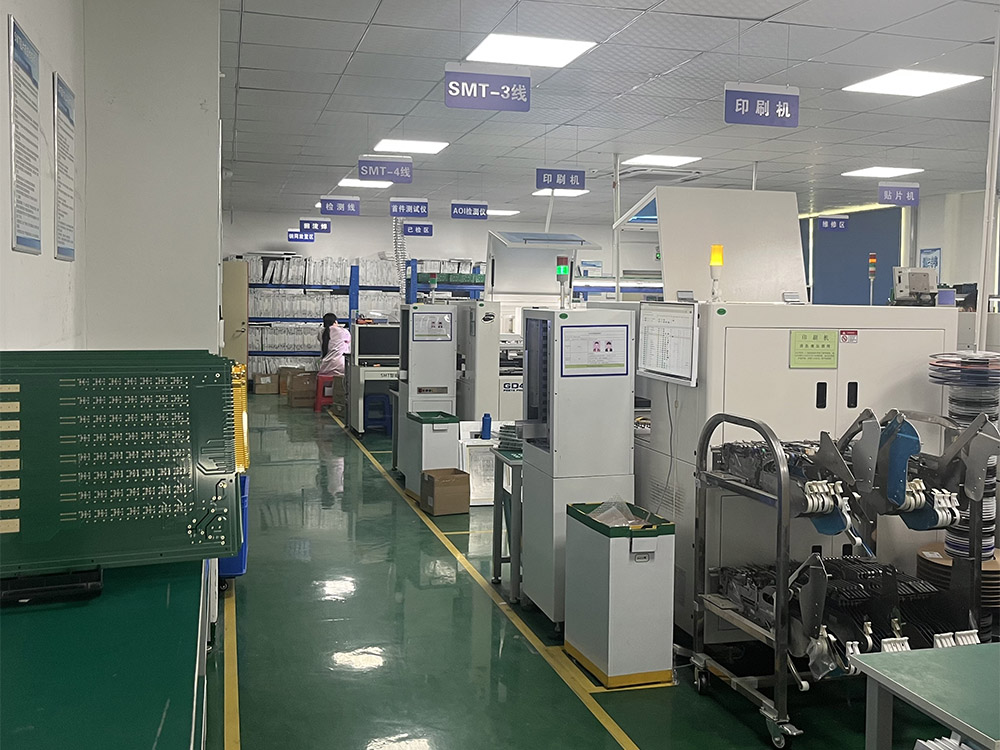
Advanced processing and inspection systems handle these high-frequency assembly challenges with extreme precision. First, automated solder paste printers apply exact quantities of paste, which three-dimensional solder paste inspection systems immediately evaluate for volume, height, and area accuracy. This step prevents insufficient solder on high-density microcontroller pins. Next, high-speed pick-and-place machines position components with microscopic accuracy to prevent signal misalignment. Finally, inline three-dimensional automated optical inspection machines check external solder joints, while advanced automated X-ray inspection machines look inside hidden areas. This non-destructive X-ray testing detects microscopic air voids inside ball grid array and quad-flat no-lead packages. By keeping internal void ratios below ten percent, manufacturers fulfill strict IPC Class 3 industrial standards. Consequently, these robust solder joints can easily withstand lifelong road vibrations without cracking.
Aozite OST PCBA: Your One-Stop Strategic Gateway to High-Yield EV Market Success
Relying on multiple separate vendors for PCB fabrication, material procurement, and assembly often causes production delays and miscommunications. Conversely, an integrated turnkey assembly partner unifies engineering optimization, international material sourcing, surface mount technology, through-hole assembly, and functional testing under a single management system. This streamlined methodology simplifies project tracking and reduces administrative overhead for procurement teams. Global automotive innovators gain a clear advantage when a single expert partner controls the entire production timeline. Consequently, product development moves faster, allowing automotive brands to launch new electric vehicle models ahead of competitors.
The highly developed electronics manufacturing cluster in Shenzhen provides a strong logistical and technical foundation for international clients. Working from this central technology hub, Aozite OST PCBA (Shenzhen Aozite Technology Co., Limited) provides scalable manufacturing options designed for high-reliability markets. The production facility operates eight high-speed automated SMT lines that deliver a total daily production capacity of over 1.2 million solder points. This massive capacity allows global tier-one integrators and electric vehicle startups to ramp up production volumes smoothly as market demand grows. By blending rigorous quality standards with flexible turnkey manufacturing capabilities, professional Chinese factories help global automotive brands navigate the complex technical demands of the modern transportation market.
For more information regarding advanced automotive manufacturing capabilities and technical services, please visit the official corporate portal: https://www.aozite-pcba.com/.
Aozite OST PCBA
Aozite OST PCBA
Legal Disclaimer:
EIN Presswire provides this news content "as is" without warranty of any kind. We do not accept any responsibility or liability for the accuracy, content, images, videos, licenses, completeness, legality, or reliability of the information contained in this article. If you have any complaints or copyright issues related to this article, kindly contact the author above.
