
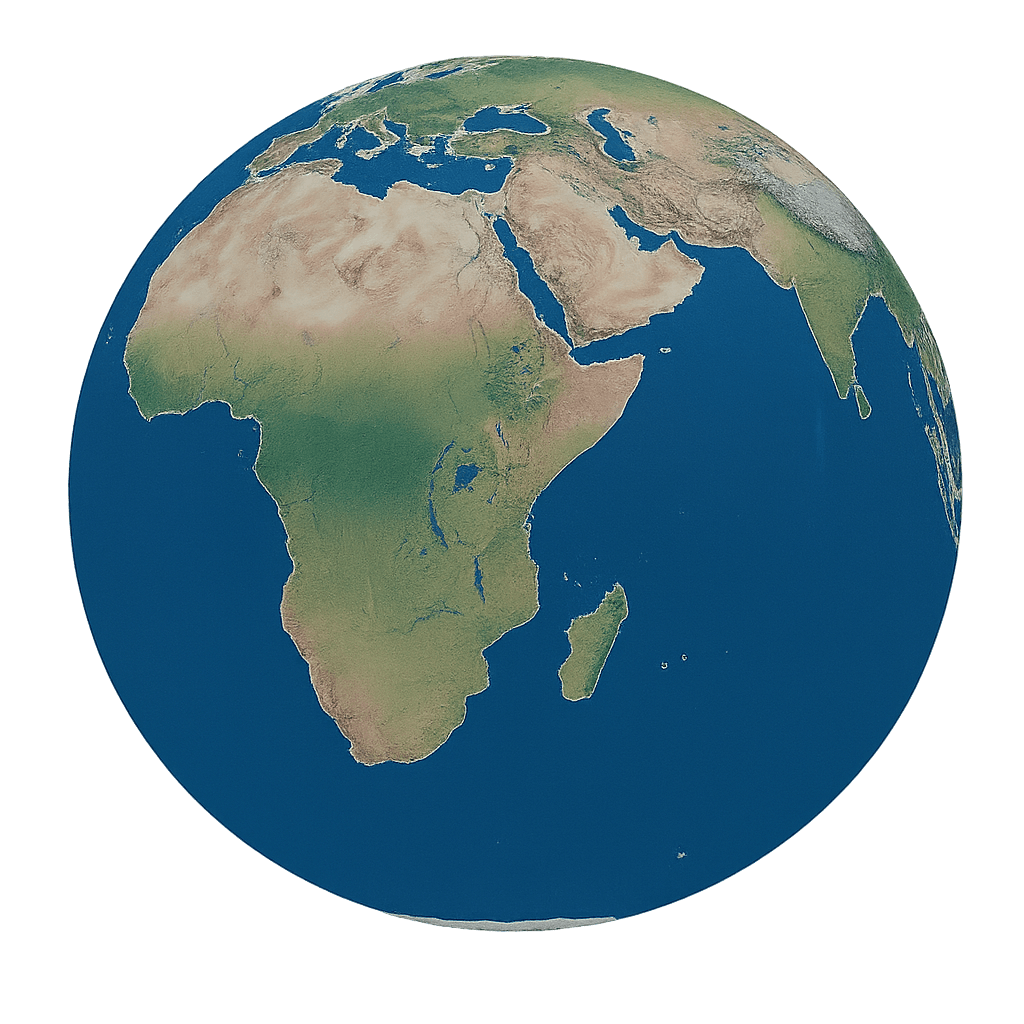
The Ocean Cleanup eyes Australian ocean plastic as it urges 'action and cash' ahead of COP31
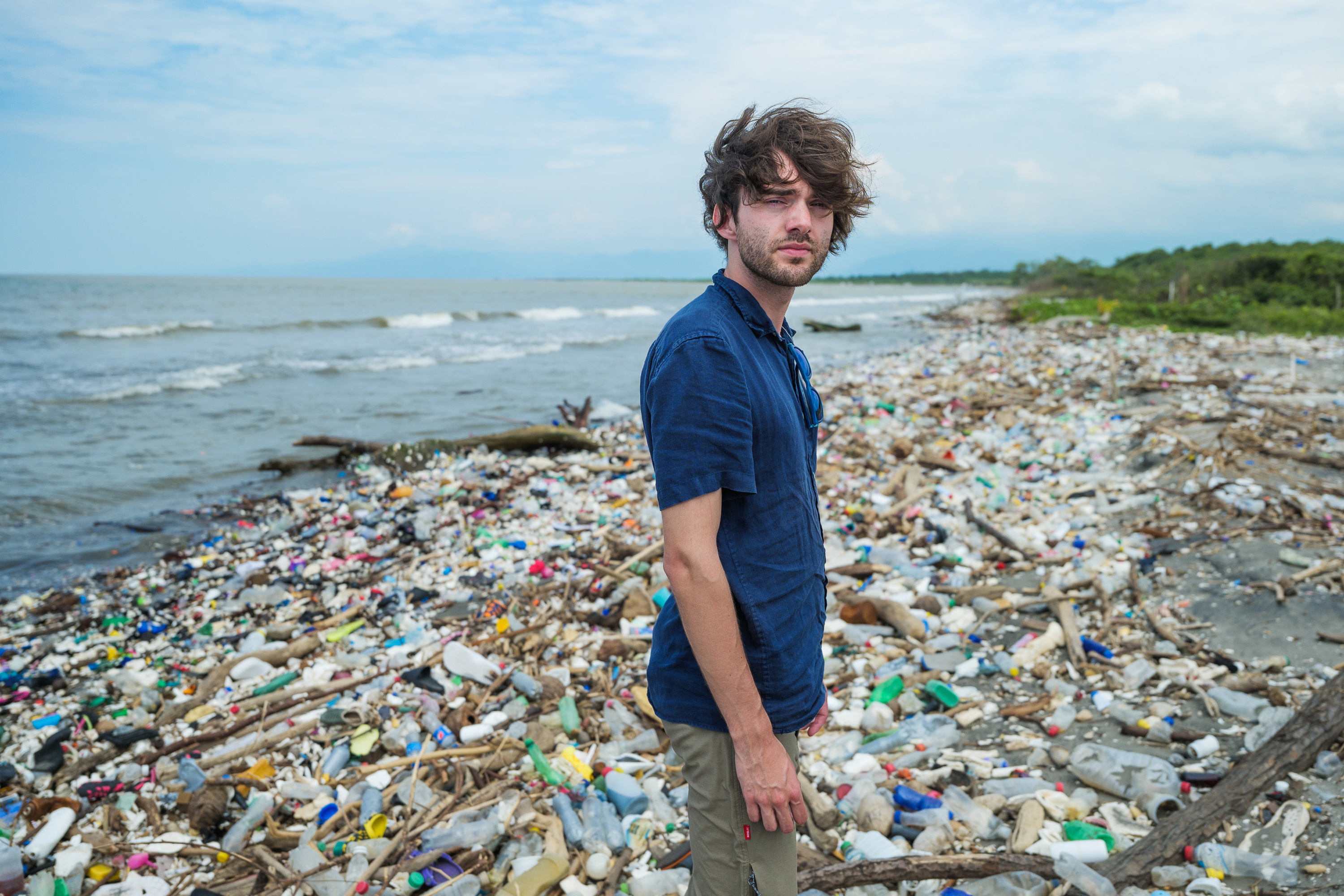
Boyan Slat, founder and CEO of The Ocean Cleanup
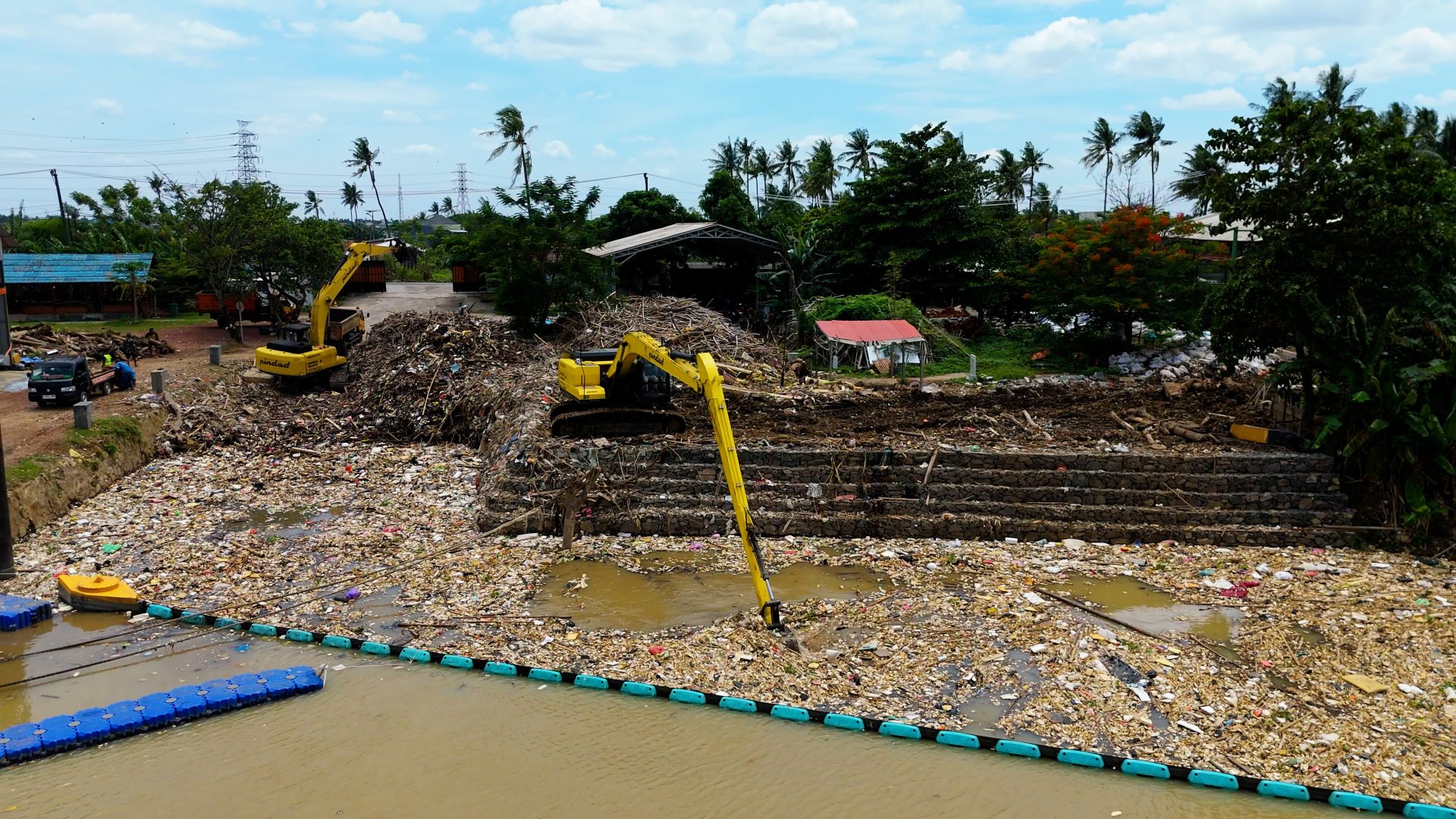
Interceptor 020, Cisadane River
SYDNEY, AUSTRALIA, October 12, 2026 /EINPresswire.com/ -- Global non-profit The Ocean Cleanup is announcing Australia and the Asia-Pacific as its primary focus after founder and CEO Boyan Slat visited Sydney last week to speak with funders, researchers, and industry about the transnational challenge of ocean plastic .
As a result of discussions in Sydney, The Ocean Cleanup will now direct two-thirds of its global intervention to Southeast Asia over the next three years, based on research finding Southeast Asia contributes ~79 percent* of the overseas ocean plastic arriving in Australia.
The new regional strategy is being rolled out as Australia prepares to co-lead the drafting of a global ocean health roadmap with Türkiye at COP31 in November, and as the Australian Government continues work on its own Sustainable Ocean Plan.
Boyan’s regional approach is based on The Ocean Cleanup’s peer-reviewed research that shows around 1,000 rivers carry nearly 80 percent of the world's river-borne plastic into the ocean, and that the most polluting of these rivers run through Southeast Asia.
During his visit, Slat headlined the Asia Pacific Circular Economy Hotspot forum with a keynote exploring how Australia can use its world-leading ocean health capabilities to accelerate action in Southeast Asia.
This included pointing out that Australia hosts 12 percent of the world's blue carbon ecosystems and contributes 5 to 11 percent of the global blue carbon stock, demonstrating the outsized impact we hold on the sector.
The forum was hosted by the NSW Government and Circular Australia, and convened senior leaders from government, industry, academia, finance, and First Nations organisations to accelerate the transition to a circular economy across Asia-Pacific.
Speakers included NSW Minister for Climate Change, Energy, Environment and Heritage Penny Sharpe; Circular Australia CEO Lisa McLean; CSIRO Circular Economy Initiative lead Heinz Schandl; and WWF-Australia CEO, Dermot O'Gorman, alongside representatives from Sydney Water, Woolworths, Fortescue, BlueScope, Engineers Australia, and UNESCAP.
Slat used his keynote to make the case for The Ocean Cleanup's 30 Cities Program, which will place Interceptor systems in 30 of the world's most polluting urban river systems by 2030, including three Indonesian metropolitan areas: Jakarta, Tasikmalaya, and Denpasar as well as Malaysia.
By contributing its resources, expertise, and funding to help address the cross-border issue of ocean plastic, Australia would preside at COP31 with significantly greater credibility when it comes to protecting global oceans, says The Ocean Cleanup.
Boyan Slat, founder and CEO of The Ocean Cleanup, said: “Australia has the research strength, the industry expertise, and the funding relationships to make a big difference when it comes to protecting our oceans and safeguarding them for future generations.
“Not only that, but its island nation status and deep cultural connection to the oceans makes it a natural leader on the topic of ocean health and marine sustainability.
“But credibility in a negotiating room comes from what a country has backed, not what it consumes. Action and cash - along with science and expertise - are what will help Australia to arrive at COP31 with its head held high on the critical topic of global ocean health.
“So I look forward to connecting with local investors, researchers, policymakers, and broader industry to understand where Australian partners can plug into the interception work we already have underway in the region, and globally."
Lisa McLean, Managing Director and CEO of Circular Australia, said: “A circular economy is how we stop plastic waste from polluting the environment - it ensures materials stay safely in the economy and, at the end of life, are not reaching our oceans and rivers causing devastating ecological harm.
“In a circular economy waste is designed out in the beginning using design standards and laws like product stewardship which make manufacturers and distributors responsible for their products at end of life. A circular economy ensures materials like plastic stay in the economy at their highest value for as long as possible and do not pollute at end of life, allowing natural systems and oceans to regenerate.
“Tackling plastic waste is not one country's problem: it is a regional and global issue we all must play a role in solving. Leadership on ocean health is measured by what gets funded and built: Australia’s circular economy targets, its scientific leadership and Asia Pacific partnerships give it the means to act now.”
# # #
The Ocean Cleanup (theoceancleanup.com) is a global nonprofit that develops and scales solutions to rid the world's oceans of plastic. By conducting extensive research, engineering scalable solutions, and partnering with governments, industry, and like-minded organizations, The Ocean Cleanup is working to stop plastic inflow via rivers and remove legacy plastic already polluting the oceans. As of September2026, the non-profit has collected over 62 million kilograms (136.7 million pounds) of trash from aquatic ecosystems around the world. Founded in 2013 by Boyan Slat, The Ocean Cleanup now employs a multi-disciplined team of approximately 200 people. The organization is headquartered in Rotterdam, the Netherlands, with international operations in 13 countries.
Priyanka Dogra
Third Hemisphere
theoceancleanup@thirdhemisphere.agency
Legal Disclaimer:
EIN Presswire provides this news content "as is" without warranty of any kind. We do not accept any responsibility or liability for the accuracy, content, images, videos, licenses, completeness, legality, or reliability of the information contained in this article. If you have any complaints or copyright issues related to this article, kindly contact the author above.
