

Saving Pennies, Losing Pavement: Transportation Leaders Warn Gas Tax Suspension Threatens Kentucky Roads
The headline seems harmless—if not promising—on the surface: A tax reduction for some Kentuckians. Here's the truth.
To the average Kentucky driver the savings would be small. A driver traveling 15,000 miles per year in a vehicle averaging 25 miles/gal would save an estimated $5.30 per month or about $1.25 per week.”
FRANKFORT, KY, UNITED STATES, May 14, 2026 /EINPresswire.com/ -- The headline seems harmless—if not promising—on the surface: A tax reduction for some Kentuckians. Last week, Governor Andy Beshear used executive authority to suspend a scheduled gas tax adjustment and reduce Kentucky’s motor fuels tax by 10 cents per gallon for 30 days, with the possibility of extension. While the announcement may sound appealing at first glance, the reality is this: Kentuckians will see very little meaningful savings, while the Commonwealth’s transportation system could suffer significant infrastructure and financial damage.— Jennifer Kirchner
Helping Kentuckians keep more of their hard-earned dollars is a universally supported goal. However, we need to look at the true implications of this recent executive action and what this actually means for hardworking Kentuckians and the roads they rely upon.
Kentucky’s gas tax is the single-largest source of state funding for roads and bridges, providing more than 45 percent of the money used to maintain and improve transportation infrastructure. In Fiscal Year 2026, it is expected to generate roughly $800 million for the state Road Fund.
The gas tax is one of the true universal consumption-based taxes. This means that all road users that fill up at Kentucky pumps, including the out-of-state travelers and large businesses who utilize Kentucky’s extensive interstate and highway network, help pay for Kentucky’s roadways. A gas tax makes sense, if implemented and indexed correctly. Well-maintained roads save Kentuckians money by creating safer driving environments and causing less wear and tear on vehicles that are already expensive to maintain.
From the outset, the 30-day order will reduce Kentucky Road Fund revenues by an estimated $26.5 million per month — or approximately $318 million annually if extended. That represents about a 38 percent reduction in gas tax revenue, which is the primary state funding source used to repair potholes, resurface roads, maintain bridges, and improve highway safety.
To put that in perspective, Kentucky’s annual road maintenance program is roughly $460 million. The proposed tax reduction would eliminate funding equal to over two-thirds of that entire yearly maintenance budget.
That money is not excess revenue sitting unused in Frankfort. It pays for resurfacing roads, repairing bridges, improving safety, clearing snow and ice, striping highways, and keeping critical infrastructure functional across the Commonwealth. When funding is reduced at this scale, projects are delayed, maintenance is deferred, and some improvements may never happen at all.
For the average Kentucky driver, however, the savings would be relatively small. A driver traveling 15,000 miles per year in a vehicle averaging 25 miles per gallon would save an estimated $5.30 per month — or about $1.25 per week. This marginal benefit extends to out-of-state travelers and commercial trucking traffic passing through Kentucky. They will receive the same tax break while continuing to place the same wear and tear on Kentucky’s roads and bridges — costs that Kentucky taxpayers will ultimately have to absorb later through delayed projects, deteriorating infrastructure, and higher long-term maintenance expenses.
The reality is simple: roads do not become cheaper to maintain because politicians reduce the tax that pays for them. Asphalt, steel, concrete, equipment, fuel, and labor all continue to rise in cost. And deferred maintenance is expensive — small repairs today often become major reconstruction projects tomorrow. In transportation, kicking the can down the road almost always means taxpayers pay far more later.
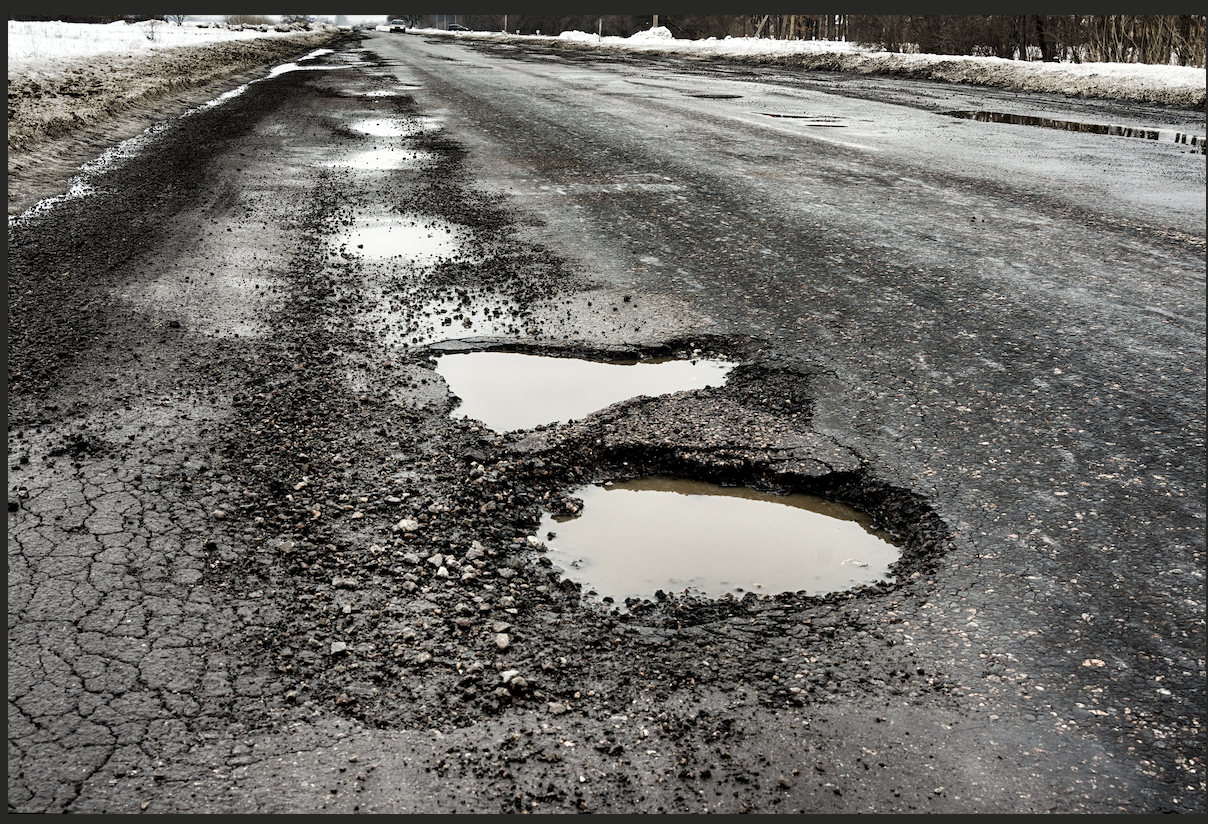
A few dollars a month in gas tax savings disappears pretty quickly the first time a driver hits a pothole hard enough to need a new tire or replace a bent rim. Kentuckians may save a dollar or two at the pump today, only to pay far more tomorrow when underfunded roads inevitably deteriorate.
While a gas tax holiday makes a great headline every revenue decision comes with a hidden price — in this case it is in the form of rougher roads, delayed projects, deteriorating bridges, and higher costs for the next generation.
Contact:
Jennifer Kirchner
Executive Director
jennifer@kbtnet.org
Kentuckians For Better Transportation
229 Shelby St. Frankfort, KY 40601
(859) 319-4902
Jennifer Kirchner
Kentuckians For Better Transportation
+1 859-319-4902
email us here
Visit us on social media:
LinkedIn
Facebook
X
Legal Disclaimer:
EIN Presswire provides this news content "as is" without warranty of any kind. We do not accept any responsibility or liability for the accuracy, content, images, videos, licenses, completeness, legality, or reliability of the information contained in this article. If you have any complaints or copyright issues related to this article, kindly contact the author above.
